Before You Click Renew: How UK Small Firms Can Haggle Software Prices Down
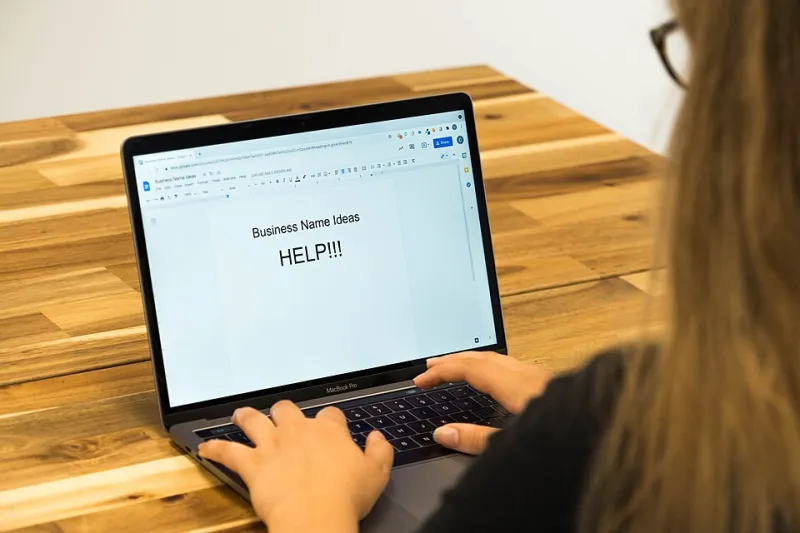
Photo: Custom Neon Images, CC BY 2.0, via Wikimedia Commons
The renewal email arrives with a cheerful subject line, a PDF quote and a button marked 'Approve'. It feels like a formality. It is not. In most software categories, the renewal price is a starting point, and the vendor knows it. What they do not know is whether you will ask.
Most UK small firms do not. They pay the quote, grumble about the increase and move on. That is a shame, because a few emails and one awkward phone call can easily pay for a week's work.
Renewal pricing is not a fixed price
Vendors build renewal teams around retention. A salesperson would often rather keep a customer at a lower margin than lose the account and start again. Discounts may be sitting in a retention budget that nobody mentions unless you ask. The first quote is frequently the list price plus an uplift, not the best number they can do.
Put a date in the diary 90 days out
Do not start this the week before auto-renew. Set a calendar reminder for 60 to 90 days before the renewal date. That gives you time to check usage, compare alternatives and get a revised quote in writing. It also gives the vendor time to route you to someone with authority to discount.
Pull three things before you write: the renewal quote, last year's invoice and a simple usage report. How many seats are active? Which modules are actually used? If you are paying for 25 licences and 17 people log in, that is leverage.
Collect leverage a salesperson respects
You need three things: what you use, what a credible alternative would cost, and what you are willing to do. A competitor quote is powerful, but do not bluff. If you say you are leaving, be prepared to leave. A reduced seat count, an annual upfront payment or a two-year term can also be worth real money to the vendor.
Check your contract for auto-renewal, notice periods and price uplift clauses. In the UK, small firms often sign annual rolling agreements without realising the notice window is 30 days. If you have missed it, ask whether the renewal can still be adjusted. Sometimes it can.
The email that starts the conversation
Keep it short, friendly and specific. Something like this:
Subject: Renewal quote for [product] — before we approve
Hi [name],
We are reviewing software renewals for the next financial year and your quote is with me now. Before I approve it, can you confirm whether there is any flexibility on the price for a 12-month renewal?
We have been a customer for three years, we pay annually and we would prefer to stay if the numbers work. If there is a better rate for a two-year term, or for a slightly reduced seat count, I would be glad to look at it.
Thanks, [Your name]
That email does several jobs. It signals that you are not a passive renewer, it gives the salesperson a reason to open a discount conversation, and it asks for a written response. Do not write an essay. Do not threaten to leave in the first email unless you mean it.
On the call, ask one question and then stop talking
If they ring you, ask: 'What is the best you can do on this renewal?' Then wait. Silence is uncomfortable, but it is also effective. If the answer is a small percentage, ask whether that is the best available for a customer who pays on time and has been with them for years. Ask for the revised quote in writing before you agree to anything.
Trade things that cost you little
A discount is not the only currency. Vendors care about contract length, payment timing, reference calls, case studies and reduced support tiers. You might accept a two-year term if the price is fixed and the exit terms are sane. You might pay annually upfront in exchange for a lower rate. You might drop a module nobody uses.
Be careful with multi-year deals that lock in an annual uplift. A 10% discount over three years is not a bargain if the price rises 8% each year. Ask for the total cost over the full term, not just the first-year figure.
Spot the fake discount
Watch for a 'discount' applied to an inflated list price, mandatory support or onboarding fees that reappear elsewhere, and a longer contract with a hefty early-termination charge. Ask for a revised order form showing the net price, the term and any uplift clause. If the salesperson will not put it in writing, treat it as noise.
When walking away is the cheaper option
If the vendor will not move and a credible alternative exists, work out the migration cost honestly. Data export, retraining and downtime are real. But so is three more years of overpaying. Put a walk-away date in the diary and tell the vendor you are reviewing alternatives. If they still will not budge, you have your answer.
A short script for the week before renewal
- Ask for the best renewal price in writing.
- Offer one concrete trade: annual upfront, two-year term or fewer seats.
- Get the total cost over the term, including uplifts.
- Compare one alternative, even if you do not switch.
- If the answer is no, ask who else can approve a better rate.
The worst outcome is a polite no. The best outcome is a lower bill for the same software. Most UK buyers never ask, which is exactly why asking works.